TL;DR: Vietnamese rental contracts often lack standard Western protections, so scrutinize deposit terms, early termination clauses, and maintenance responsibilities before signing.
You've found the perfect apartment in Thao Dien or District 1, negotiated the rent, and now the landlord slides a contract across the table—entirely in Vietnamese. For most foreign renters in Vietnam, this moment triggers a mix of excitement and anxiety. Unlike the standardized lease agreements common in Western countries, Vietnamese rental contracts vary wildly in terms, protections, and enforceability. Understanding what you're signing isn't just good practice—it's essential protection for your deposit, your rights, and your peace of mind.
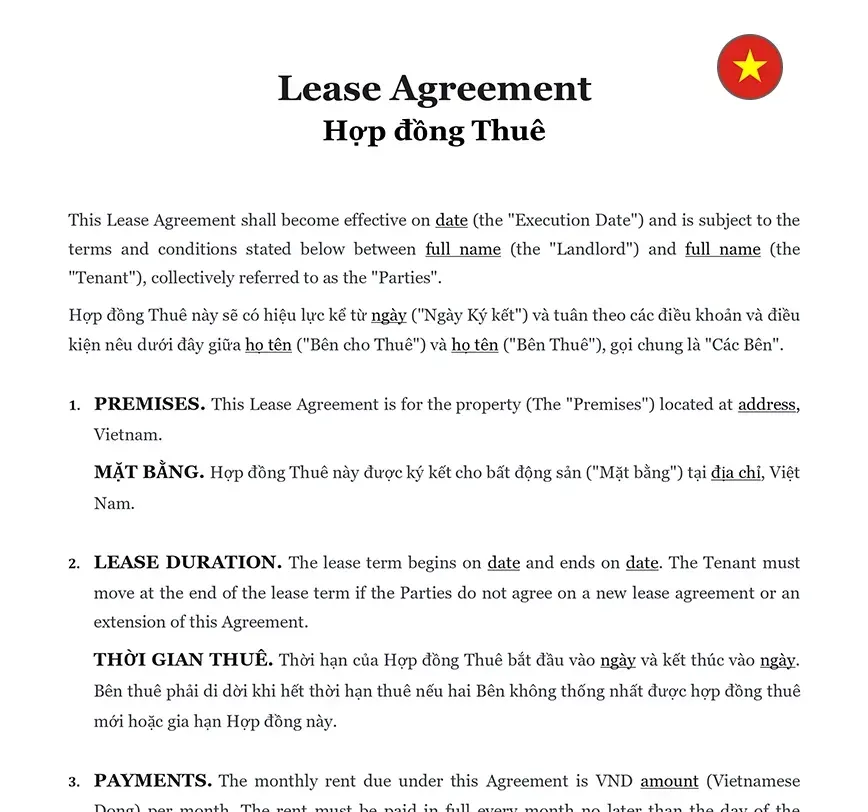
Vietnamese rental contracts typically follow a simpler structure than their Western counterparts, but this simplicity can work against you if key protections aren't explicitly stated. Most agreements include basic elements: parties involved, property description, rental period, monthly rent, deposit amount, and payment terms. However, the devil lives in the details—or more accurately, in what's missing from the details.
The deposit structure deserves particular attention. While two months' rent is standard, some landlords request three months or more. Crucially, Vietnam lacks comprehensive tenant protection laws like those in Europe or North America. Your contract is essentially your only safeguard, so if it doesn't explicitly state deposit return conditions, refund timelines, or deduction criteria, you're operating on trust alone. Always insist on photographic documentation of the apartment's condition at move-in, and ensure the contract specifies that deposits must be returned within a set timeframe (typically 7-14 days) after move-out, minus any legitimate deductions for damages beyond normal wear and tear.
Maintenance and repair responsibilities also require crystal-clear definition. Who pays when the air conditioning fails? What about plumbing issues or appliance breakdowns? Vietnamese law generally places major structural repairs on landlords and minor maintenance on tenants, but "major" and "minor" are subject to interpretation. The strongest contracts explicitly list which repairs fall to each party. For furnished apartments in areas like Thu Thiem or Binh Thanh, request a detailed inventory list as an addendum to your contract.
Key takeaway: Vietnamese contracts are only as protective as the clauses you negotiate—never assume standard tenant protections apply, and always get specific terms in writing, preferably with an English translation alongside the Vietnamese version.
Certain contract clauses should immediately raise concerns. Early termination penalties vary dramatically, with some landlords demanding forfeiture of your entire deposit plus one or two months' rent if you leave before the contract ends. This becomes particularly problematic for expats whose work situations can change unexpectedly. Negotiate for reasonable termination terms: typically, providing 60 days' notice and forfeiting one month's rent is fair. Some progressive landlords, especially those experienced with expat tenants, even allow termination with 30 days' notice and no penalty after the initial six months.
Rent increase clauses deserve scrutiny too. While one-year contracts typically lock in rates, multi-year agreements should specify any increases. A common arrangement sets annual increases at 5-10% or ties them to inflation. Without this protection, you're vulnerable to arbitrary hikes. Similarly, watch for clauses restricting guests, subletting, or even registering your residence—the latter being necessary for visa extensions.
Payment terms might seem straightforward, but timing matters. Most contracts require advance payment (first month plus deposit upfront, then monthly or quarterly thereafter). Quarterly payment is common and often comes with a small discount, but it ties up more of your cash. Always request official receipts for every payment; these prove payment history and are necessary if disputes arise.
Key takeaway: The best time to negotiate is before signing—request modifications to unreasonable clauses, and don't hesitate to walk away from contracts with excessive penalties or vague terms that leave you exposed.
When browsing listings on VietRent, prioritize landlords who provide contracts in English or offer professional translation services. This transparency signals experience with foreign tenants and typically correlates with fairer terms. Properties in expat-heavy areas like Thao Dien and District 2 often come with more standardized, foreigner-friendly contracts than budget apartments in District 6 or District 8, though this isn't universal.
Consider engaging a local lawyer or real estate agent to review your contract before signing—the $50-100 fee is trivial compared to losing a $2,000 deposit over ambiguous terms. Many expat Facebook groups also offer recommendations for English-speaking legal professionals who specialize in tenancy issues. Some progressive rental platforms, including VietRent, are working to standardize contract templates that balance landlord and tenant protections, making the process more transparent.
Remember that everything is negotiable in Vietnam's rental market. If a landlord refuses to modify unreasonable terms, plenty of other options exist. The current market favors tenants in many areas, giving you leverage to request fair protections.
Navigating Vietnamese lease agreements requires diligence, but understanding the landscape empowers you to protect your interests. The lack of standardized tenant protections isn't insurmountable—it simply shifts responsibility onto you to ensure your contract includes explicit protections. By scrutinizing deposit terms, negotiating reasonable exit clauses, and insisting on clear English translations, you transform a potentially risky document into solid protection for your rental experience. The effort invested in contract review prevents headaches later and lets you focus on enjoying your new home in Vietnam.
Looking for an apartment in Vietnam? Browse verified listings on VietRent — your trusted platform for expat-friendly rentals.
Related articles:
